
What happens when a commercial building loses power during a critical business hour? For many facilities, even a short outage can interrupt production, disrupt security systems, affect refrigeration, or stop essential equipment.
For businesses evaluating Texas generator power systems, the key considerations include electrical load, motor-starting requirements, fuel availability, runtime, transfer equipment, installation conditions, and future expansion.
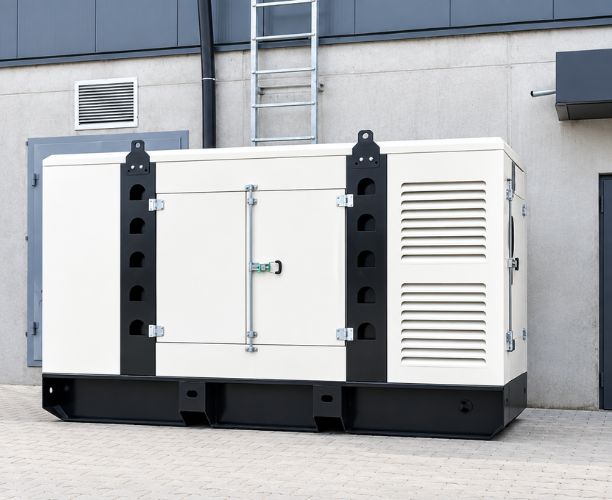
What size generator does a commercial building need?
A commercial generator should be sized according to the loads it must support during an outage. There is no single generator size that works for every office, warehouse, manufacturing facility, healthcare building, or retail property.
Before selecting equipment, identify:
- Total connected electrical load
- Critical versus non-critical equipment
- Starting current for motors and compressors
- Required voltage and phase configuration
A useful rule of thumb is to avoid sizing solely from the building’s average electricity consumption. Large motors, HVAC equipment, pumps, elevators, and other inductive loads can create substantial starting demand even when their normal running load appears manageable.
Which generator is best for commercial power outages?
The best emergency generator depends on the building’s load profile, operating environment, fuel infrastructure, and required level of continuity. In commercial applications, permanently installed standby generators are often considered when automatic backup and extended operation are priorities.
Fuel selection should be evaluated alongside storage, delivery, local regulations, operating requirements, and expected outage duration. The generator itself is only one component of a dependable emergency power system.
What should you look for in Texas generator solutions?
When comparing Texas generator solutions, look beyond the generator’s advertised kilowatt rating. A dependable commercial system should be evaluated as an integrated electrical installation.
Look for a provider capable of handling:
- Generator selection and sizing
- Electrical integration
- Automatic transfer switches
- Switchgear and controls
- Fuel systems
- Installation and commissioning
- Preventive maintenance
- Emergency repairs and response
This is especially important for facilities where downtime affects production, inventory, customer service, safety, or other mission-critical functions. Businesses looking for a power generator in Texas should also consider whether the provider can support the system after installation rather than simply supplying equipment.
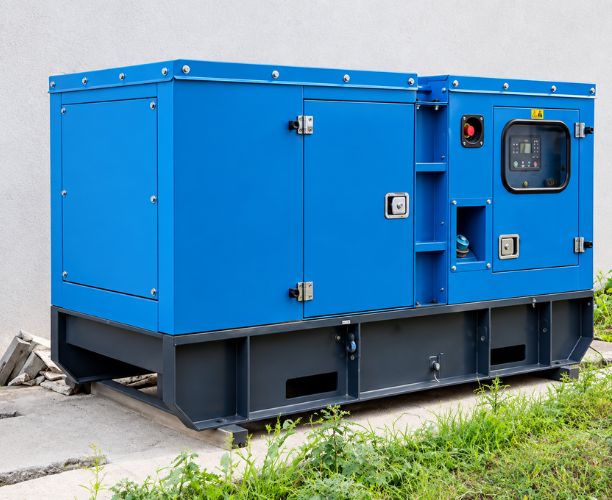
What is the best way to choose a commercial generator?
Start with the building’s operational priorities rather than the generator brand or model.
First, determine which systems absolutely need power during an outage. Next, calculate their running and starting loads. Then evaluate fuel, runtime, installation space, transfer equipment, electrical distribution, and future expansion.
For additional context on how backup generators can protect business continuity read Power Generators: Safeguarding Your Business Operations During Power Outages.
Conclusion
A proper assessment can prevent oversizing, under sizing, unnecessary fuel costs, and integration problems. For commercial and industrial facilities evaluating backup power, Lonestar Power Systems provides turnkey power generation and electrical solutions designed around mission-critical operations.
Key Takeaways:
- Choose generator capacity based on actual running loads, starting loads, and critical equipment.
- Evaluate fuel, runtime, ATS equipment, switchgear, installation space, and future expansion together.
- Permanently installed standby systems can provide automatic backup for commercial facilities when properly designed and integrated.
- Work with an experienced provider that can support generator installation, commissioning, maintenance, and emergency service.
Frequently Asked Questions:
What are the best emergency generators for power outages?
The best emergency generator depends on the facility's electrical load, fuel availability, runtime requirements, and critical equipment. Commercial standby systems are often appropriate where automatic backup is required.
How do I calculate the generator size for a commercial building?
Begin by identifying the equipment that must operate during an outage and calculating both running and starting loads. A professional load assessment can then determine the appropriate generator capacity.
Is diesel or natural gas better for a commercial generator?
Neither fuel is universally better. Diesel may suit facilities requiring high-capacity generation and on-site fuel storage, while natural gas can be practical where reliable gas infrastructure is available.