
Preparing for generator installation starts with more than choosing a generator. The installation site, electrical connections, fuel supply, clearance, access, and system requirements all need to be considered before equipment arrives. Good preparation can make installation more organized and help identify potential complications early.
If you are researching generator installation services, this guide explains the practical steps homeowners and property owners should take before installation day and what to discuss with a qualified power-system provider.
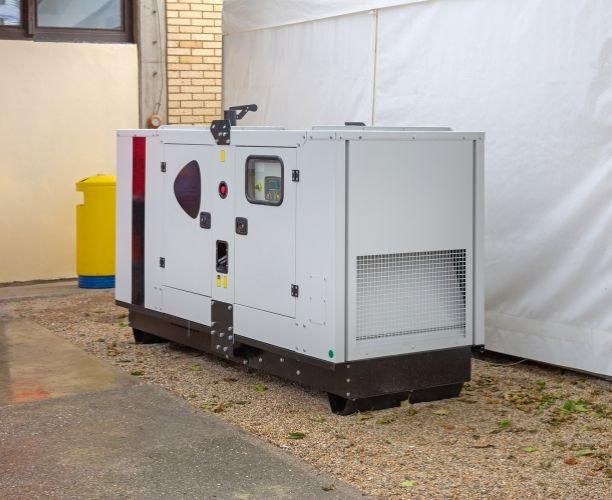
What Should You Do Before Generator Installation?
Before installation begins, the property should be evaluated for equipment placement, electrical integration, fuel requirements, and safe access.
A useful pre-installation checklist includes:
• Confirm the generator’s required capacity and intended loads.
• Identify an appropriate installation location.
• Check access for delivery and installation equipment.
• Review electrical service and transfer equipment requirements.
• Determine the applicable fuel supply requirements.
The exact requirements depend on the generator type, property, local regulations, and intended application. A professional offering residential or commercial generator services should therefore come before making assumptions about where or how the equipment can be installed.
How Do You Choose the Right Generator Location?
Permanent standby equipment has its own installation requirements, so homeowners should follow the generator manufacturer’s instructions and applicable codes rather than applying portable-generator rules automatically.
Before installation, ask the contractor to evaluate:
• Distance from doors, windows, and ventilation openings
• Exhaust direction
• Equipment accessibility
• Surface and drainage conditions
• Fuel-line routing
• Electrical connection points
• Space required for servicing
The generator needs to be integrated into the property’s electrical system correctly. Depending on the installation, this may involve a transfer switch, electrical distribution equipment, wiring, controls, and other components.
Also read: How a Standby Generator Powers Up Your Home During Unexpected Outage
How Should You Prepare for Installation Day?
Good site preparation can prevent unnecessary delays.
Before the crew arrives, make sure the planned work area is accessible and that the installer knows about any property restrictions. If equipment or heavy machinery needs to reach the site, confirm the access route in advance.
It is also useful to have these details ready:
• Property electrical information
• Existing generator or backup-power equipment details
• Fuel-system information
• Preferred backup loads
• Relevant manufacturer documentation
• Permit information, if applicable
• Contact information for utility or facility representatives
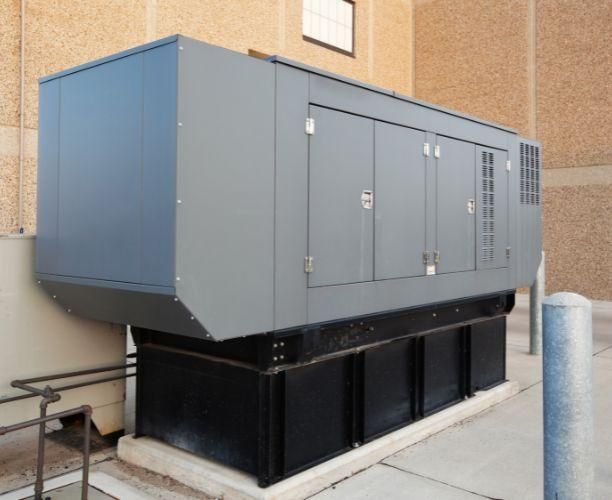
Where Can You Find Reliable Power Generator Services?
If you are asking, “Where can I find reliable power generator services?”, start by looking for a provider with experience in the type and scale of generator system you need.
For commercial and industrial applications in Texas, Lonestar Power Systems provides turnkey installation and integration, maintenance, testing, emergency response, and other power-system services.
Conclusion: Prepare Before the Generator Arrives
Preparing for generator installation is primarily about eliminating surprises. Confirm the equipment requirements, location, electrical loads, fuel arrangements, access, safety considerations, and testing plan before installation day.
For home generator installation, Lonestar Power Systems offers installation, integration, maintenance, testing, and emergency support designed around power applications.
Key Takeaways
• Generator installation should begin with site, electrical, fuel, access, and safety planning rather than equipment placement alone.
• Generator location must account for ventilation, exhaust, accessibility, manufacturer requirements, and applicable regulations.
• Electrical load planning helps determine which circuits need backup and what generator configuration is appropriate.
• Ask your provider about testing, commissioning, maintenance, and post-installation support before approving the project.
Frequently Asked Questions
How do I prepare my property for generator installation?
Clear the proposed work area, confirm equipment access, identify the electrical loads requiring backup, review fuel requirements, and discuss placement and permitting with the installer.
Where should a generator be installed?
The appropriate location depends on the generator type, manufacturer requirements, applicable codes, ventilation, exhaust, accessibility, and electrical and fuel connections. A qualified installer should evaluate the site.
How do I know what size generator I need?
Generator sizing should be based on the electrical loads you intend to operate during an outage rather than simply the size of the property. A professional load assessment can help determine the appropriate capacity.