Different activities answer different questions
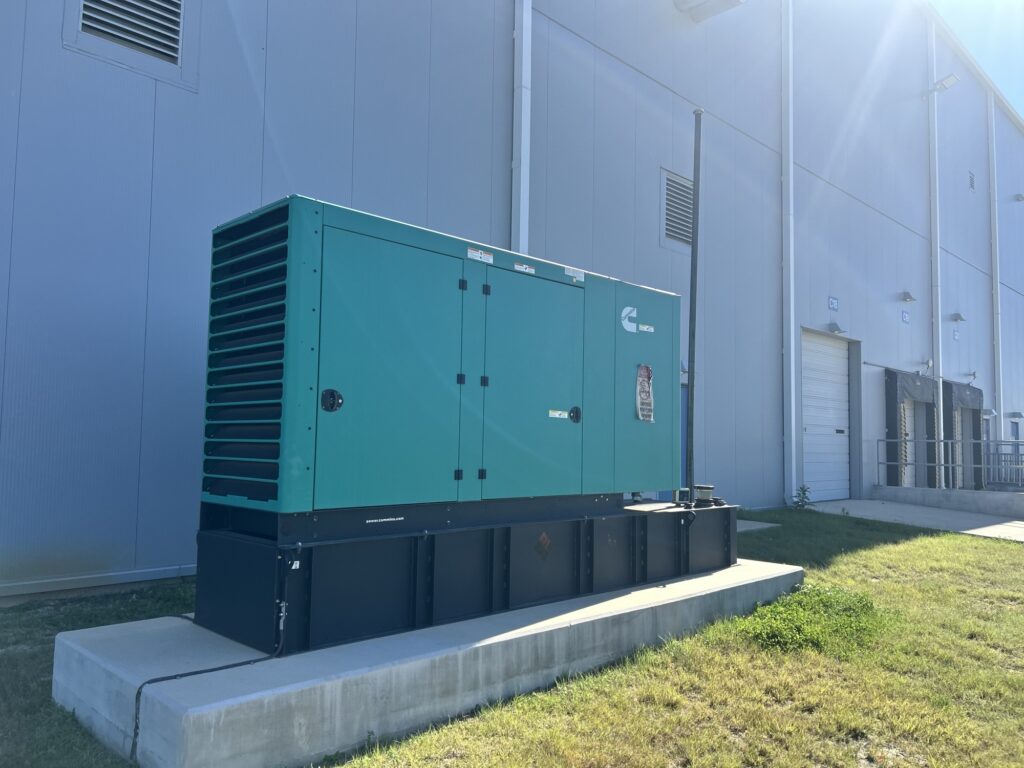
When someone asks whether a standby generator is ready, a simple yes can conceal several different observations. The engine may have started during its last exercise. A technician may have completed scheduled service. A test may have applied a measured electrical load. Each observation is useful, but the record should explain exactly what happened and which equipment was involved.
For commercial and government facilities, keeping these activities clearly documented helps operations staff distinguish routine care from demonstrated performance. Data centers should also be clear about the boundary between a generator test and a broader test of the site's power path. Start by asking what question the planned work is intended to answer.
Maintenance builds an equipment history
Preventive maintenance follows the requirements of the actual equipment and its operating conditions. Caterpillar notes that environment and operating hours affect a generator's maintenance cycle. That is why a generic calendar should not replace the applicable operation and maintenance manual or a service plan reviewed for your installation.
Ask for a report that identifies the generator, records hours, lists completed tasks, and separates observations from recommended repairs. Keep supporting records together rather than scattered across individual inboxes. A clear history makes it easier to see repeated alarms, overdue items, or changes that deserve follow-up before the next planned service visit.
Reference: Caterpillar: Preventive Maintenance for Standby Generator Sets ↗
A load bank applies a controlled demand
A load bank provides a controllable electrical load so performance can be measured under specified conditions. Avtron distinguishes resistive testing, which applies real power, from combined resistive and reactive testing, which can evaluate operation at a specified non-unity power factor. The appropriate equipment and test profile depend on the question being tested.
A load test can challenge systems that an unloaded run does not exercise in the same way. However, a successful result supports the conditions and equipment included in that test; it does not establish that every possible site event has been covered. Ask the testing team to state the load profile, duration, measurements, and acceptance criteria before work begins.
Understand why loading history matters
Extended light-load operation can create problems for some diesel generator sets, including exhaust deposits commonly described as wet stacking. Caterpillar's guidance discusses these effects and directs owners to equipment-specific operating and maintenance information. Different engines and operating strategies need different treatment; one percentage or duration should not be presented as the right answer for every generator.
Give the service team the available exercise history, recent outage hours, and any known operating concerns. Ask whether the existing loading pattern fits the equipment's requirements. If a change is recommended, have the reason and revised plan recorded so future staff understand the decision rather than inheriting an unexplained setting.
Reference: Caterpillar: The Impact of Generator Set Underloading ↗
Agree on scope before the test window
Good coordination is part of a useful test. Identify the site representative, the people authorized to approve switching, and the operational restrictions that apply. Have qualified personnel develop the electrical work plan and explain any effect on available backup capacity. Facility staff should know what communications to expect and whom to contact if the plan needs to stop.
Confirm whether the work includes only the generator or also transfer equipment, controls, alarms, and other parts of the facility's power system. Avoid assuming that equipment is included because it is nearby. A written scope is especially useful when several vendors or internal teams share responsibility for the site.
Ask for a report your team can act on
A useful report is more than a pass label. It should make the test understandable to someone who was not standing beside the equipment. Request a record of:
- Equipment identification and the purpose and boundaries of the test.
- Test conditions, applied load steps, durations, and recorded measurements.
- The agreed acceptance criteria and whether they were met.
- Alarms, interruptions, unusual observations, and unresolved findings.
- Recommended actions, assigned owners, and any verification still required.
Close the loop on findings
A finding only becomes useful when someone is responsible for resolving it. Review the report with operations and the service provider, prioritize the open items, and record the next step. If corrective work changes the condition that caused a test issue, ask what follow-up verification is appropriate before the item is closed.
Bring the most recent maintenance and test records when you contact Lonestar Power Systems about a maintenance plan. The conversation can then begin with the equipment you own, the work already completed, and the questions your facility still needs answered.